

How to Choose the Right Light Control Socket for Industrial Applications?
2025-12-09
Selecting the correct Light Control Socket is essential for ensuring safety, reliability, and efficiency in industrial lighting systems. Our engineers have observed that even minor mismatches in socket specifications can lead to system inefficiencies or equipment damage. In our factory, we focus on designing Light Control Sockets that meet diverse industrial needs while maintaining long-term performance. Ningbo Aiplan Lighting Technology Co., Ltd. integrates practical design with precise engineering to provide sockets suitable for high-demand operations. When considering a socket, factors such as load capacity, voltage rating, material quality, and environmental resistance are critical.
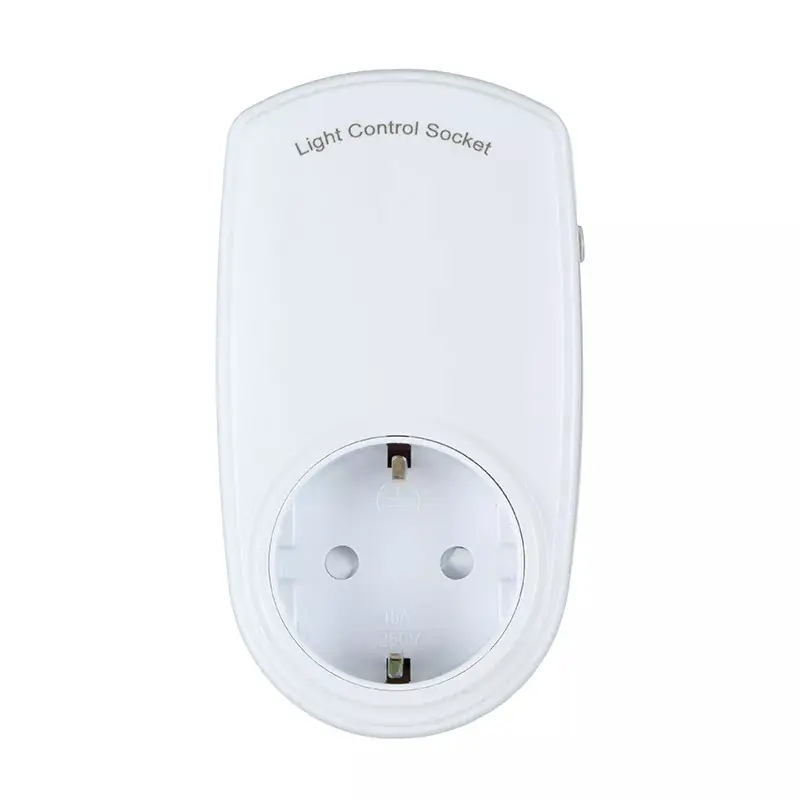
What Are the Key Electrical Specifications to Consider?
The first factor in choosing a Light Control Socket is the electrical specification. Voltage rating, current capacity, and power handling determine how safely the socket operates under industrial loads. Our engineers routinely analyze these parameters to ensure compatibility with various lighting equipment. In our factory, we test sockets to withstand fluctuations in voltage and prevent overheating. Ningbo Aiplan Lighting Technology Co., Ltd. emphasizes the importance of matching the socket's rating to the connected device to prevent early failures or safety hazards.
The following table outlines typical electrical parameters for different socket models, helping buyers identify the right option for their systems.
| Socket Model | Voltage Rating | Current Capacity | Recommended Industrial Use |
| AP-S100 | 110–120V | 10A | Small-scale assembly lines and control panels |
| AP-S200 | 220–240V | 16A | Medium-duty machinery and workshops |
| AP-S300 | 380–415V | 20A | Heavy-duty industrial systems and high-power lighting arrays |
How Does Material and Build Quality Affect Industrial Performance?
The physical construction of a Light Control Socket is as critical as its electrical rating. Materials such as reinforced thermoplastics or heat-resistant polymers ensure durability and longevity under industrial conditions. Our factory prioritizes high-grade materials that can resist corrosion, high temperature, and repeated mechanical stress. Using inferior materials often results in deformation or cracks during heavy operation. When we design our sockets, we combine robust housing with secure contacts to maintain consistent performance over time.
Additionally, surface finishes, insulation quality, and contact design affect the overall reliability of the socket. Our engineers consider factors such as vibration resistance and dust protection, which are essential in industrial environments. Selecting a socket from our range ensures it can handle demanding conditions without compromising safety or functionality.
Why Is Environmental Compatibility Important for Light Control Sockets?
Industrial environments can be harsh, with high humidity, dust, or exposure to chemical fumes. The wrong Light Control Socket may degrade rapidly when exposed to such conditions. In our factory, we evaluate environmental resistance, including IP ratings, temperature tolerances, and chemical compatibility. Ningbo Aiplan Lighting Technology Co., Ltd. manufactures sockets that can withstand prolonged exposure to moisture, temperature swings, and industrial chemicals, ensuring reliable operation over extended periods.
Environmental compatibility also includes mechanical resistance to vibration or accidental impacts. Properly selected sockets maintain connection integrity even when mounted on heavy machinery or in high-traffic areas. Our team works closely with clients to identify environmental challenges and recommend the most suitable socket solutions.
How Do Mounting Options and Socket Configuration Influence Selection?
Mounting style and configuration are crucial considerations when choosing a Light Control Socket for industrial applications. Panel-mounted sockets differ from surface-mounted options in terms of space requirements and accessibility. Our factory provides both options to accommodate various system designs. When designing layouts, our engineers consider factors such as cable routing, ease of replacement, and maintenance accessibility to minimize downtime.
Socket configuration, including contact type and polarity, affects compatibility with lighting fixtures and control circuits. Using the wrong configuration can lead to poor electrical contact or even short circuits. Our team always verifies system requirements before recommending specific Light Control Sockets, ensuring seamless integration into existing infrastructure.
How Does Load Capacity and Safety Features Impact Industrial Use?
The ability of a socket to handle the rated load safely is non-negotiable in industrial environments. Overloading can cause overheating, fire hazards, or equipment failure. Our factory rigorously tests each Light Control Socket under simulated load conditions to guarantee performance. Safety features such as thermal protection, reinforced contacts, and secure locking mechanisms further enhance reliability.
Ningbo Aiplan Lighting Technology Co., Ltd. ensures that every socket meets industrial safety standards, including compliance with relevant certifications. Customers who select our sockets benefit from reduced risk of operational interruptions and improved safety for personnel working around lighting equipment.
How to Assess Compatibility with Existing Control Systems?
Integration with current control circuits is a key factor when selecting a Light Control Socket. Voltage compatibility, switching capacity, and physical alignment with existing panels must all be verified. Our engineers frequently assist clients in evaluating whether a new socket will work with their control systems. Our factory maintains a range of models with varying sizes and ratings to facilitate compatibility across different industrial setups.
When system upgrades are planned, choosing a socket from our product line ensures consistent operation, reduces installation time, and minimizes the potential for misalignment with control devices. This approach optimizes both performance and maintenance efficiency.
What Factors Affect the Longevity of Light Control Sockets in Industrial Settings?
Several elements influence the long-term durability of Light Control Sockets, including material selection, environmental conditions, load stress, and maintenance practices. Our factory emphasizes robust design and precise manufacturing to extend operational life. Regular inspections and preventive maintenance recommended by our engineers further enhance longevity. Selecting a high-quality socket from our range ensures that the system remains functional for years without unexpected failures.
Proper handling during installation, adherence to electrical ratings, and environmental protection measures all contribute to reliable, long-term operation. Our technical team works with clients to develop maintenance schedules and recommend best practices for industrial applications.
FAQ: How to Choose the Right Light Control Socket for Industrial Applications?
What is the most important electrical factor when selecting a Light Control Socket?
The voltage rating and current capacity are critical. Selecting a socket with insufficient ratings can cause overheating, reduced lifespan, and potential safety hazards. Our engineers always match the socket’s electrical specifications with the connected load for safe, reliable operation.
How does material quality influence socket performance in industrial environments?
Durable materials such as reinforced polymers prevent deformation, corrosion, and wear under heavy use. Poor-quality materials fail faster under vibration, temperature fluctuations, or chemical exposure. Using our factory-tested sockets ensures consistent performance over time.
Why is compatibility with existing control systems critical?
Incorrect configuration can result in poor contact, system failure, or downtime. Verifying socket polarity, contact type, and panel fit ensures seamless integration. Our team reviews system layouts before recommending specific models to guarantee compatibility and reliability.
Conclusion
Choosing the right Light Control Socket for industrial applications requires careful consideration of electrical ratings, material quality, environmental resistance, configuration, and safety features. Selecting a reliable product ensures long-term performance, operational efficiency, and personnel safety. Our factory provides a comprehensive range of Light Control Sockets designed to meet demanding industrial requirements. Ningbo Aiplan Lighting Technology Co., Ltd. combines engineering expertise with practical design to deliver solutions that optimize system performance. Contact our technical team today to find the most suitable Light Control Socket for your operations.