

How Often Should a UV lamp Be Replaced?
2026-01-07
UV lamps are essential components in water purification, air sterilization, and surface disinfection systems. Over time, the output of ultraviolet light diminishes due to the aging of the lamp, even if the lamp appears to be working. At Kingrate Lighting Technology Co, Ltd., our engineers have tested the lifespan of various UV Lamp models to ensure maximum efficiency. Regular replacement of UV lamps ensures the sterilization system operates at peak performance, preventing bacterial growth and maintaining water and air quality. Our products are designed to provide consistent UV output, but our factory recommends replacement based on operational hours and usage conditions.
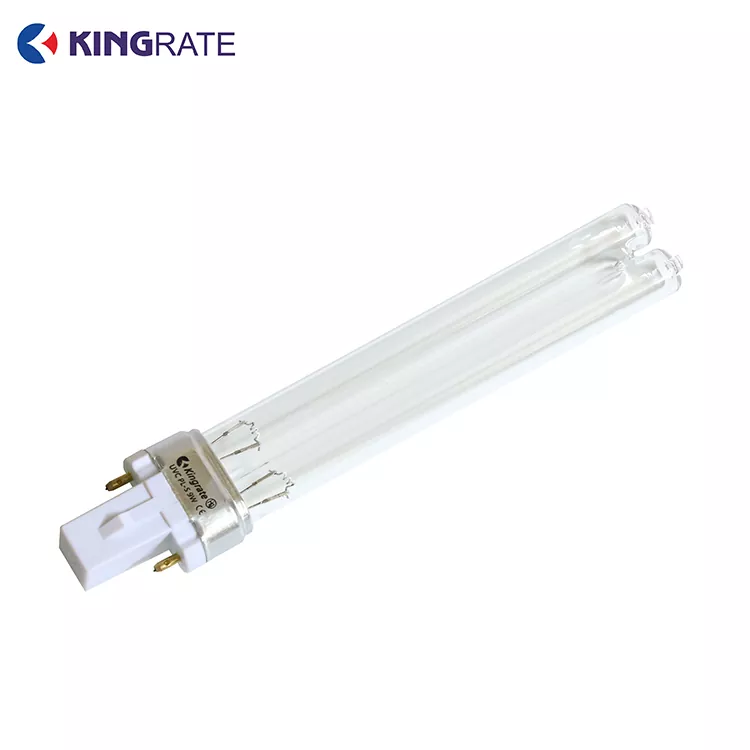
How Can You Determine the Lifespan of a UV Lamp?
The lifespan of a UV lamp depends on factors such as operating hours, ambient temperature, and water or air quality. Typically, most standard UV Lamp models operate efficiently for 8,000 to 12,000 hours. At Kingrate Lighting Technology Co, Ltd., our UV lamps undergo rigorous quality testing to ensure their lifespan meets industry standards. Our team provides guidelines on monitoring the lamp’s UV intensity to determine replacement timing. Using a UV intensity meter can help measure actual output and decide when a replacement is necessary. Our factory emphasizes that relying solely on visual inspection may be misleading as UV light output decreases gradually over time.
Which UV Lamp Specifications Affect Replacement Frequency?
Different UV lamps have varying specifications that influence how often they should be replaced. Factors such as wattage, quartz sleeve material, and lamp type directly impact performance. Our factory offers detailed specifications for all our UV Lamp products to help customers make informed decisions. Using a higher wattage lamp in a high-flow water system may reduce its effective lifespan due to increased heat. Our products are engineered for durability, and our factory recommends choosing UV lamps suited to specific system requirements.
| Model | Wattage | Recommended Replacement Hours | Flow Rate Capacity |
| KR-UV100 | 36W | 9,000 | 10 m3/h |
| KR-UV200 | 55W | 10,000 | 15 m3/h |
| KR-UV300 | 80W | 12,000 | 20 m3/h |
How Does Installation and Maintenance Influence UV Lamp Replacement?
Proper installation and regular maintenance significantly affect the replacement schedule of UV lamps. At Kingrate Lighting Technology Co, Ltd., our technical team provides step-by-step guidance on installing UV Lamp systems to prevent premature wear. Our factory advises cleaning the quartz sleeve regularly, checking for scale buildup, and ensuring stable electrical connections. Our UV lamps are designed for ease of maintenance, and following the recommended procedures can extend their service life. Our technicians often observe that improper installation, such as incorrect positioning or excessive vibration, reduces lamp efficiency and requires earlier replacement.
What Are the Best Practices for Extending UV Lamp Life?
To maximize the life of a UV lamp, it is essential to maintain a consistent operating environment. Our factory suggests maintaining optimal water or air quality, avoiding frequent on-off cycles, and replacing the lamp according to recommended hours rather than visible light alone. Our UV Lamp products are built to withstand various operating conditions, but adhering to these practices ensures reliable performance. Our team also recommends keeping spare lamps ready for quick replacement to avoid system downtime. By following these guidelines, our customers can maintain effective sterilization while optimizing operational costs.
| Maintenance Task | Recommended Frequency | Impact on Lamp Life |
| Quartz Sleeve Cleaning | Every 3 months | Prevents UV output reduction |
| UV Intensity Measurement | Every 6 months | Ensures proper replacement timing |
| Electrical Check | Every 12 months | Prevents premature lamp failure |
Frequently Asked Questions
Q1: How often should a UV lamp be replaced in residential water systems?
For residential water purification, our factory recommends replacing the UV lamp every 9,000 hours of operation or approximately once per year to maintain optimal sterilization performance. Regular monitoring of UV intensity is advised to ensure effectiveness.
Q2: Can a UV lamp be replaced before the recommended hours?
Yes, if the lamp shows signs of reduced output, such as slower sterilization or visible scaling on the quartz sleeve, our team advises early replacement. Using a UV intensity meter can confirm the actual output and determine the replacement timing accurately.
Q3: What happens if a UV lamp is not replaced on time?
Delaying replacement can lead to ineffective sterilization, allowing bacteria and viruses to survive. Our products are designed for consistent output, but exceeding the recommended lifespan significantly decreases efficiency. Timely replacement ensures safety and water or air quality.
Conclusion
Replacing a UV lamp at the proper intervals is crucial for maintaining system efficiency and safety. At Kingrate Lighting Technology Co, Ltd., our UV Lamp products are engineered for durability and consistent performance, and our factory provides detailed guidelines to help customers determine replacement schedules. Following proper maintenance, monitoring UV intensity, and adhering to recommended hours ensures long-term reliability. Explore our full range of UV Lamp solutions and contact our technical team today to find the best fit for your system and operational requirements.