
How Does a Moon Night Light Integrate into Everyday Home Lighting Scenes?
2025-12-16
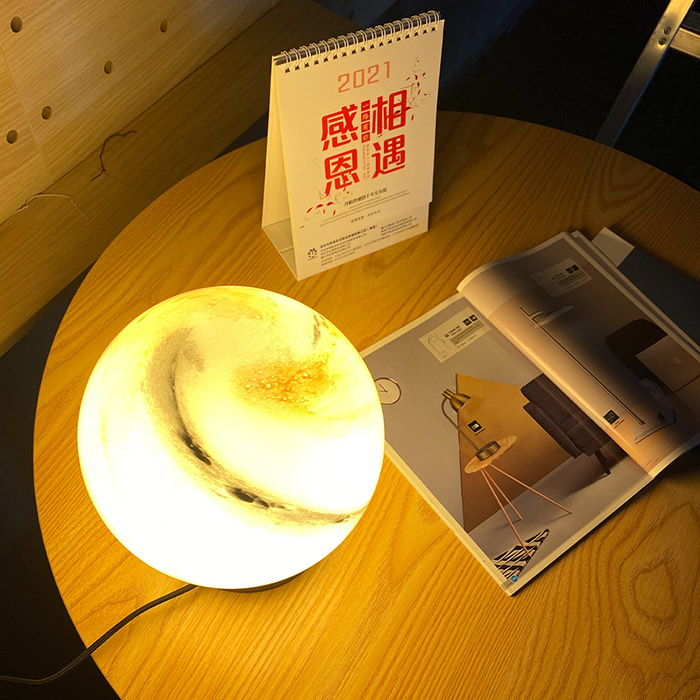
A Moon Night Light is a decorative and functional lighting product inspired by the natural appearance of the moon, designed to deliver soft illumination for indoor environments. Commonly used in bedrooms, nurseries, living rooms, and relaxation areas, this type of lighting balances visual aesthetics with practical usability. The core purpose of a Moon Night Light is to provide gentle, non-intrusive light that supports comfort, orientation in low-light conditions, and an overall calming atmosphere.
How Is a Moon Night Light Designed and What Parameters Define Its Performance?
The design of a Moon Night Light typically emphasizes realism, safety, and efficiency. Most products replicate the moon’s surface using advanced molding or 3D printing techniques, creating visible craters and texture that enhance visual authenticity. From an engineering perspective, the internal components focus on stable light output, energy efficiency, and long-term reliability.
Below is a consolidated overview of common technical parameters found in standard Moon Night Light products:
| Parameter Category | Typical Specification Range |
|---|---|
| Light Source | LED (warm white or adjustable color temperature) |
| Color Temperature | 2700K–3000K (warm) or multi-tone options |
| Power Supply | Rechargeable lithium battery or USB-powered |
| Battery Capacity | 400–1200 mAh |
| Operating Time | 6–20 hours per full charge |
| Charging Method | USB Type-C or Micro USB |
| Material | PLA, ABS, or composite polymer shell |
| Surface Finish | Textured lunar pattern |
| Control Method | Touch sensor, remote control, or base switch |
| Diameter Options | 8 cm, 10 cm, 15 cm, 18 cm, or larger |
| Safety Standard | Low-voltage operation, heat-controlled LEDs |
These parameters collectively determine the product’s usability across different environments. Low-voltage LED systems ensure minimal heat generation, making the Moon Night Light suitable for prolonged use, including overnight operation. The shell materials are typically selected for environmental stability and tactile comfort, especially in households with children.
From a lighting distribution standpoint, the diffused glow reduces sharp contrasts, helping maintain visual comfort in darkened rooms. This balance between form and function defines the Moon Night Light as both a decorative object and a practical lighting tool.
How Can a Moon Night Light Be Applied Across Different Home Scenarios?
The application logic of a Moon Night Light depends on spatial context, user behavior, and ambient lighting needs. Unlike task-oriented lighting, this product serves as a supplementary or ambient light source.
In bedrooms, a Moon Night Light often functions as a bedside illumination option. The soft glow supports nighttime navigation without disrupting sleep cycles. Its gentle luminance is particularly relevant in environments where harsh lighting may cause discomfort or visual strain during late hours.
In children’s rooms, the Moon Night Light is commonly used to establish a sense of familiarity and reassurance. The moon-inspired appearance introduces a recognizable natural element, while stable low-intensity light supports nighttime routines such as reading or sleep preparation.
Living rooms and reading corners also benefit from Moon Night Light placement, where it contributes to layered lighting design. By combining ceiling lights, floor lamps, and decorative lighting, users can create depth and visual interest without excessive brightness.
From a spatial design perspective, Moon Night Lights are frequently placed on shelves, side tables, or dedicated stands. Their spherical form allows for flexible orientation, while wireless operation eliminates dependence on fixed power outlets.
How Do Common User Questions Reflect Practical Concerns About Moon Night Lights?
Q: How long can a Moon Night Light operate on a single charge?
A: Operating duration depends on battery capacity, brightness settings, and usage mode. Most Moon Night Lights provide between 6 and 20 hours of continuous illumination. Lower brightness levels significantly extend runtime, making them suitable for overnight use without interruption.
Q: How safe is a Moon Night Light for long-term indoor use?
A: Moon Night Lights are designed with low-voltage LED systems that generate minimal heat. The outer shell remains cool to the touch, even during extended operation. When manufactured according to standard electrical and material safety guidelines, these products are considered appropriate for continuous indoor use, including in bedrooms and family spaces.
These questions highlight user priorities such as reliability, safety, and energy efficiency. Addressing these concerns directly helps clarify the practical value and everyday usability of Moon Night Light products.
How Might Moon Night Lights Evolve with Future Lighting and Lifestyle Trends?
As home environments continue to emphasize personalization and comfort, Moon Night Lights are expected to align more closely with adaptive lighting concepts. Integration with adjustable brightness controls, expanded color temperature options, and smart home compatibility may become more common.
Sustainability considerations are also shaping product development. The use of recyclable materials, energy-efficient LEDs, and longer-lasting battery systems reflects broader shifts in consumer expectations. Additionally, design variations that balance realism with minimalist aesthetics are likely to expand market appeal across different interior styles.
From a market perspective, Moon Night Lights are transitioning from novelty items to established ambient lighting solutions. Their role in supporting relaxation, visual comfort, and emotional well-being positions them as relevant components within holistic home lighting strategies.
In this evolving context, brands such as Utiime continue to focus on refining material selection, structural precision, and lighting stability to meet changing consumer needs. By aligning technical performance with user-centric design, Utiime aims to deliver Moon Night Light solutions suitable for diverse residential applications.
For further product details, customization options, or technical inquiries related to Moon Night Light solutions, interested parties are encouraged to contact us to explore how these lighting products can be integrated into specific home or commercial environments.