

How Are Glass Solar Stake Lights Shaping Outdoor Landscape Illumination?
2025-12-16
Glass Solar Stake Lights have become a widely adopted solution for outdoor landscape illumination, particularly in residential gardens, pathways, patios, and commercial outdoor environments. These lighting products integrate solar energy technology with durable glass structures to provide stable, autonomous illumination without reliance on grid-based electricity.
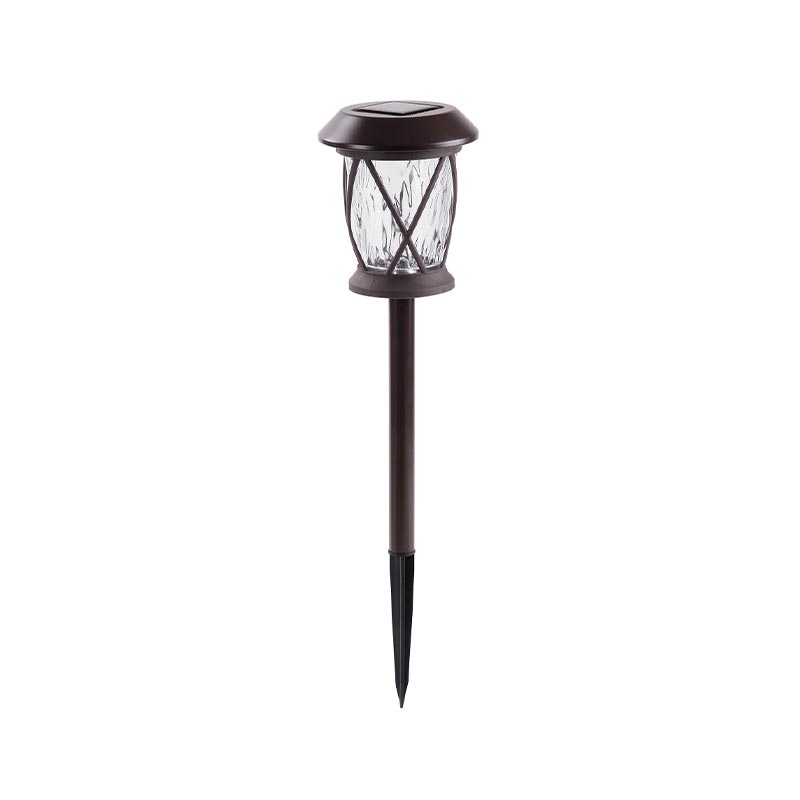
By examining product structure, operational principles, performance parameters, and real-world usage considerations, this article provides a comprehensive understanding of Glass Solar Stake Lights from a professional and technical perspective. The content is structured into four key sections to ensure clarity, logical progression, and ease of reading for an English-speaking audience accustomed to detailed product analysis.
How Do Glass Solar Stake Lights Work in Outdoor Landscape Applications?
Glass Solar Stake Lights operate through an integrated solar power system designed to convert sunlight into stored electrical energy during daylight hours. This energy is then automatically released to power the light source after dusk. The system is typically composed of a solar panel, rechargeable battery, LED light source, control circuitry, and a protective glass housing mounted on a ground stake.
During daylight, the solar panel—usually positioned on the top of the fixture—absorbs sunlight and converts it into electrical energy. This energy is stored within a rechargeable battery, commonly a lithium-ion or Ni-MH battery, which is selected for its stability and recharge cycle performance. As ambient light levels decrease in the evening, the internal light sensor activates the LED, allowing the stored energy to be used for illumination throughout the night.
The glass component plays a critical role beyond aesthetics. Tempered or reinforced glass improves light diffusion, protects internal components from environmental exposure, and contributes to the structural integrity of the fixture. When installed along walkways, garden borders, or open landscapes, these lights provide consistent illumination while maintaining minimal visual intrusion during daylight hours.
Typical Product Parameters of Glass Solar Stake Lights
| Parameter | Specification Range |
|---|---|
| Solar Panel Type | Monocrystalline or Polycrystalline |
| Battery Capacity | 300–1200 mAh |
| Light Source | LED |
| Material | Glass + Stainless Steel / ABS |
| Working Time | 6–10 hours after full charge |
| Charging Time | 6–8 hours under direct sunlight |
| Protection Rating | IP44–IP65 |
| Installation Method | Ground stake insertion |
These parameters may vary depending on application requirements, climate conditions, and installation environment, but they represent industry-standard configurations for professional-grade Glass Solar Stake Lights.
How Are Glass Solar Stake Lights Designed to Withstand Outdoor Conditions?
Outdoor lighting products are subject to constant exposure to environmental factors such as moisture, temperature fluctuations, dust, and physical impact. Glass Solar Stake Lights are engineered with these considerations in mind, balancing material selection, structural design, and protective ratings.
The glass used in these products is typically tempered or thickened to reduce the risk of cracking due to thermal stress or accidental contact. In addition to improving durability, glass enhances light refraction, allowing for uniform illumination patterns that reduce glare and shadowing.
Metal components, often stainless steel or coated aluminum, are selected for corrosion resistance. Plastic elements, where used, are generally UV-stabilized to prevent discoloration and degradation over time. The ground stake is designed with sufficient length and rigidity to ensure stability in soil, gravel, or landscaped surfaces.
Ingress protection ratings, such as IP44 or IP65, indicate resistance to water splashes or low-pressure water jets, making these lights suitable for rain-prone or humid environments. Sealed construction minimizes the risk of moisture entering the battery or circuitry compartments, which is critical for long-term operational reliability.
From a design perspective, Glass Solar Stake Lights are often modular, allowing for efficient assembly, maintenance, and replacement of internal components. This design approach supports scalability in large outdoor installations and reduces overall lifecycle costs.
How Should Glass Solar Stake Lights Be Installed and Maintained for Consistent Performance?
Proper installation is essential for maximizing the performance and lifespan of Glass Solar Stake Lights. Placement should prioritize direct exposure to sunlight during peak daylight hours, typically between mid-morning and late afternoon. Obstructions such as trees, walls, or roof overhangs can significantly reduce charging efficiency if not considered during installation.
The ground stake should be inserted firmly into the soil to prevent tilting or instability. In areas with compacted ground or gravel, pre-drilling a small pilot hole can improve placement accuracy and reduce stress on the stake.
Maintenance requirements for Glass Solar Stake Lights are relatively minimal. Periodic cleaning of the solar panel surface ensures optimal light absorption, particularly in dusty or pollen-heavy environments. Glass housings should be wiped clean to maintain consistent light output and appearance.
Battery replacement intervals vary depending on usage patterns and environmental conditions but typically range from 12 to 24 months. Replacing the battery with a compatible specification helps maintain consistent illumination duration and charging efficiency.
Common Questions About Glass Solar Stake Lights
Q: How do Glass Solar Stake Lights perform during cloudy or rainy days?
A: During extended periods of limited sunlight, charging efficiency may be reduced, resulting in shorter illumination times. However, quality solar panels and batteries are designed to store sufficient energy during intermittent sunlight, allowing the lights to function reliably even under less-than-ideal weather conditions.
Q: Can Glass Solar Stake Lights be used in cold or hot climates?
A: These lights are generally designed to operate within a wide temperature range. Extreme cold may temporarily reduce battery efficiency, while high temperatures can affect battery lifespan. Selecting models with appropriate protection ratings and battery specifications ensures stable performance across different climate zones.
How Are Glass Solar Stake Lights Integrated Into Evolving Outdoor Lighting Solutions?
The increasing emphasis on energy-conscious outdoor infrastructure has positioned Glass Solar Stake Lights as a practical component in modern landscape planning. Their self-sustaining power source supports decentralized lighting layouts, reducing the need for extensive wiring or electrical modifications.
In residential applications, these lights are commonly used to define pathways, highlight garden features, and provide ambient illumination without increasing electricity consumption. In commercial and public spaces, they support scalable lighting solutions for parks, walkways, and outdoor venues where installation flexibility is essential.
Manufacturers continue to refine optical performance, battery efficiency, and material durability to align with changing expectations for outdoor environments. Improved LED efficiency allows for longer operating times with smaller battery capacities, while advancements in glass processing enhance both resilience and visual clarity.
As outdoor spaces become increasingly multifunctional, Glass Solar Stake Lights offer a balance between form, structure, and operational reliability. Their compatibility with diverse landscape designs and environmental conditions supports long-term integration across a wide range of projects.
Partnering With a Trusted Manufacturer for Glass Solar Stake Lights
Glass Solar Stake Lights represent a stable and adaptable solution for outdoor illumination, combining renewable energy use with durable construction and practical design. Understanding their structure, installation requirements, and operational behavior is essential for achieving consistent performance in real-world environments.
Ningbo HeJia Lighting has developed a comprehensive range of Glass Solar Stake Lights designed to meet professional standards for outdoor applications. With a focus on material quality, technical precision, and production consistency, the brand supports diverse landscape lighting needs across global markets.
For detailed specifications, customization options, or project consultations related to Glass Solar Stake Lights, interested parties are encouraged to contact us to discuss requirements and explore suitable solutions tailored to specific outdoor lighting objectives.